
 Português
 Deutsch
 Français
 русский
  Italiano
 日本語
日本語 عربي
عربي  Español


Description
Technical Parameters
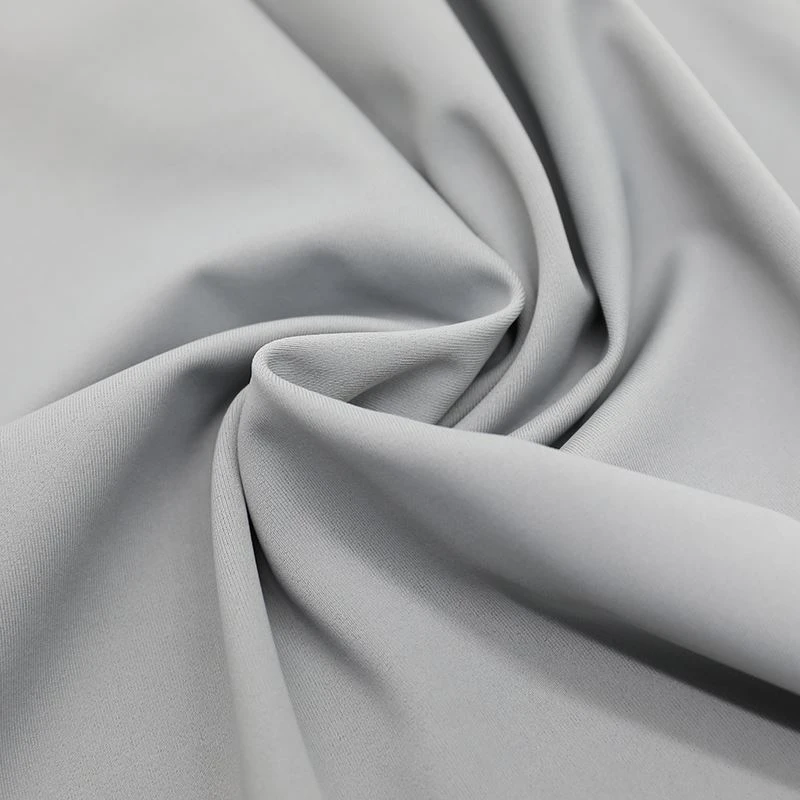
Bikini fabric materials are chosen for their drape, breathability, and comfort against the skin. Typically, the fabrics used in bikini production are lightweight and offer a good amount of stretch. They are also resistant to fading, pilling, and chlorine damage. Nylon, polyester, and spandex are commonly used for bikini material because of their durability and moisture-wicking properties. In addition, some fabric may also feature antimicrobial or UV protection properties. As sustainability has become increasingly important in the fashion industry, more eco-friendly options such as recycled nylon or organic cotton are also being used for bikini production. When choosing bikini fabric materials, it is important to consider factors such as quality, performance, and environmental impact.
Comfort: High-quality Bikini Fabric Material typically feature soft, smooth fibers that ensure a comfortable fit and are gentle on the skin. This fabric also helps reduce chafing, preventing unnecessary discomfort.
Quick-drying: Fabrics tend to feature quick-drying technology, which allows them to absorb and expel moisture quickly. This feature allows the swimsuit to dry quickly after swimming, avoiding being wet for a long time, reducing the chance of bacterial infection and discomfort.
Chloride Resistant: Pool water contains chlorine, and our products are specially treated to resist the corrosion of chlorides and prolong the life of your swimwear.
Anti-ultraviolet: Our products usually have good ultraviolet protection function, which can effectively block the damage of ultraviolet rays to the skin and provide you with better sun protection.
Elasticity: Our fabrics usually contain elastic fibers, such as spandex (Spandex), which make the swimsuit have excellent stretchability, ensure a suitable fit and tight fit, and increase the freedom of swimming.
Durability: Swimsuit fabrics that have been carefully designed and selected have strong durability, can withstand long-term swimming and corrosion in common pool water and sea water, and are not easy to be damaged or faded.
Moisture wicking: Our products have a good moisture wicking function, which can effectively discharge sweat quickly, keep your body dry, and make you feel more comfortable during exercise.
| Part Number | YXTR0024 | Technic | Weft Knitted |
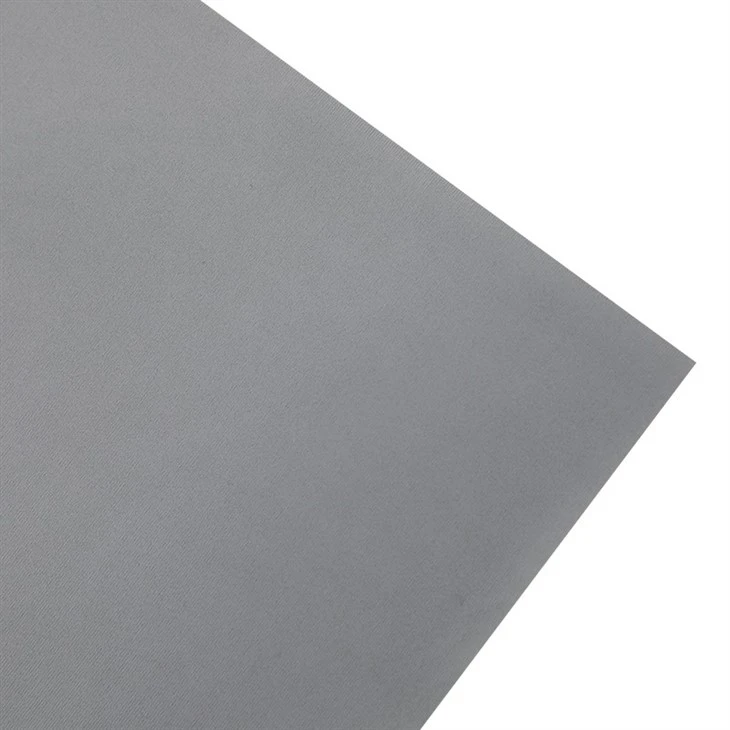
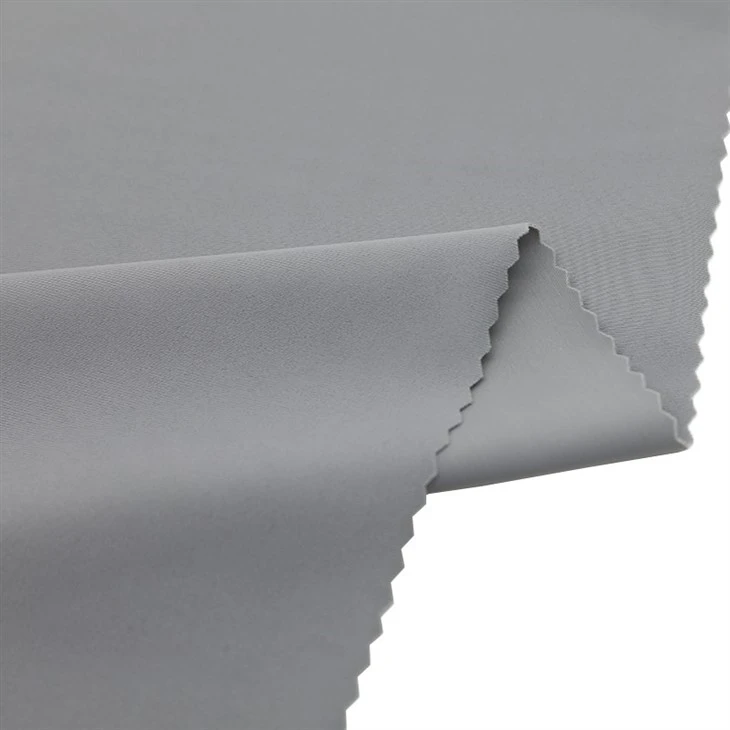
| product name | Matt brocade cloth | Color | Color can be customized |
| Material | Nylon82%+Spandex18% | Specification | 152CM*190G/M2 |
| Usage | Sportwear/Activewear/Yoga wear/Athletic apparel/Leggings | ||
| Sample | Contact us to get A4 free sample | ||
| Stock | Available fabrics are in stock for you to make prototypes. Any trial order in small quantity is welcomed. |
||
| Feature | Great elasticity for your creations. Durable, high air permeability, high density. Comfortable, washable and dry easily. Eco-friendly and no smell. |
||
Our fabrics display


FAQ
1.Is the bikini fabric tear-resistant and suitable for water activities?
Bikini fabrics are usually made of high-strength synthetic fibers such as nylon and spandex, which have good tear-resistant properties. Therefore, bikini fabrics are very suitable for water activities such as swimming, snorkeling, etc. When choosing a bikini, make sure the fabric has a high density and a tight weave, which can further enhance the tear-resistant properties.
2.How is the bikini fabric resistant to pilling?
High-quality bikini fabrics usually have good anti-pilling properties. The surface of the fabric is specially treated, such as anti-pilling coating or worsted spinning, which can effectively reduce pilling. The quality of anti-pilling also depends on the density and weaving method of the fabric, so when buying bikinis, you can choose those products marked with anti-pilling treatment.
3.Is the bikini fabric made of environmentally friendly materials?
With the improvement of environmental awareness, many brands have begun to use environmentally friendly materials to make bikinis. For example, recycled polyester and regenerated nylon are common environmentally friendly materials. These materials come from recycled plastic bottles, fishing nets, etc., and are reprocessed into new fibers, which not only reduces pollution to the environment, but also saves resources.
4.Can the bikini fabric keep the body dry and comfortable?
Nylon and spandex blends have excellent moisture wicking properties, quickly absorbing and evaporating sweat and moisture to keep the skin dry. In addition, these materials are highly breathable, which can help regulate body temperature and prevent overheating and sweating. Designs are also usually designed with comfort in mind, with body-hugging cuts and seamless designs to reduce friction and discomfort.
Hot Tags: bikini fabric material, China bikini fabric material manufacturers, suppliers, factory, Bikini Fabric Material, swim trunk fabric, chlorine resistant swimwear fabric, Bikini Material Fabric, eco friendly swimwear fabric, crinkle fabric for swimsuit
Previous
Fabric for BikinisSend Inquiry


